Why this exists
Your grocery store gets 1,400 trucks a year from somewhere else.
Your neighbour has 200 pounds of zucchini and nowhere to put it. This is a coordination problem, not a supply problem.
The Trash Panda makes the invisible local food economy visible. Every small town has people growing, baking, preserving, and selling food from their homes — but nobody knows about it unless they already know.
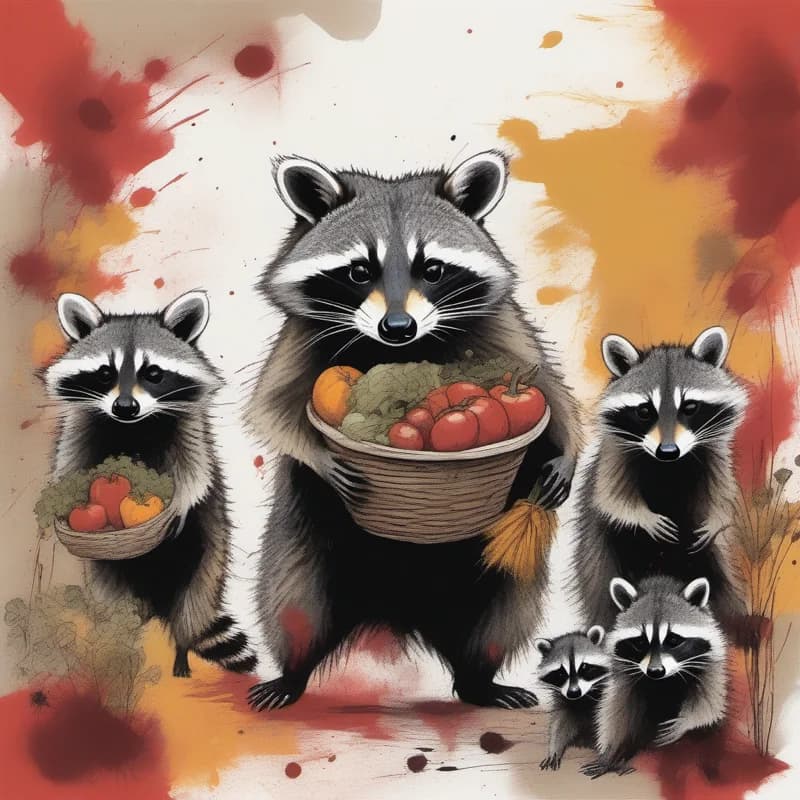
The invisible food economy
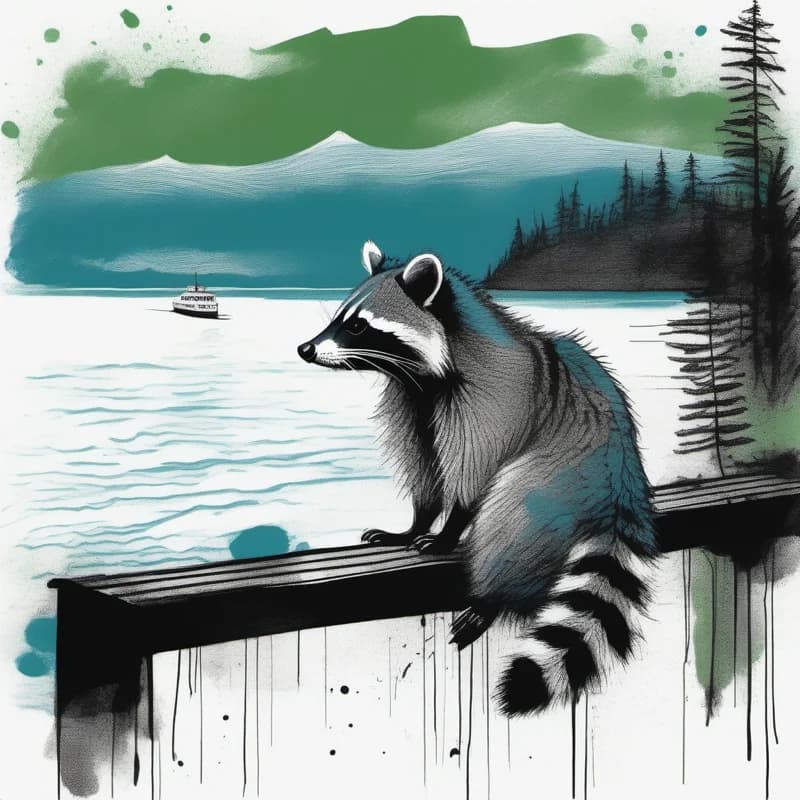
Supply chain fragility
Powell River is accessible by ferry. When the ferry doesn't run, the trucks don't come. But the gardens still grow.
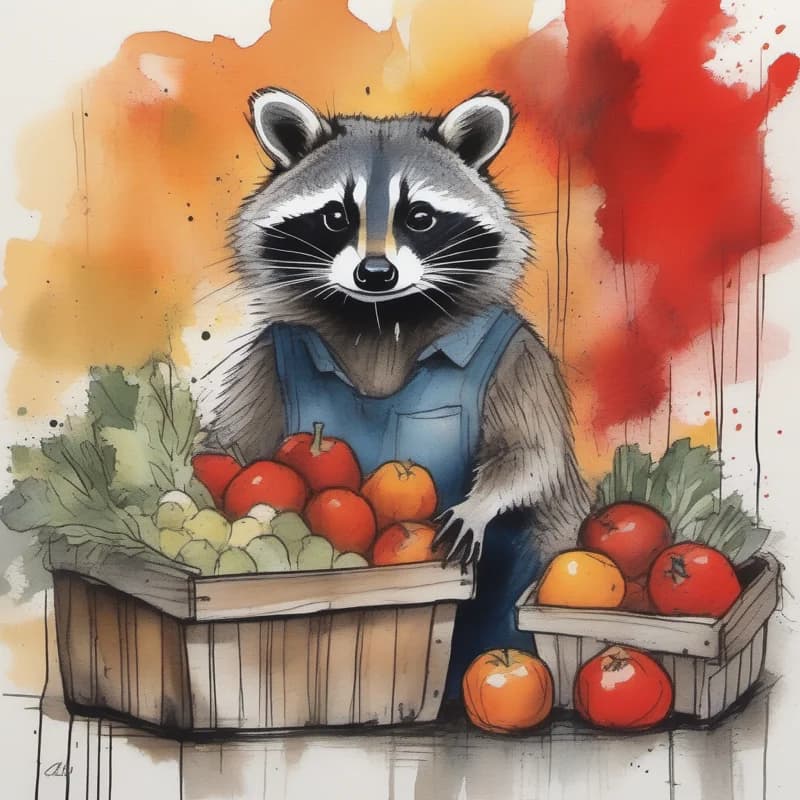
Invisible producers
There are hobby farms, driveway sellers, backyard beekeepers, bread bakers — everywhere. Most people don't know they exist.
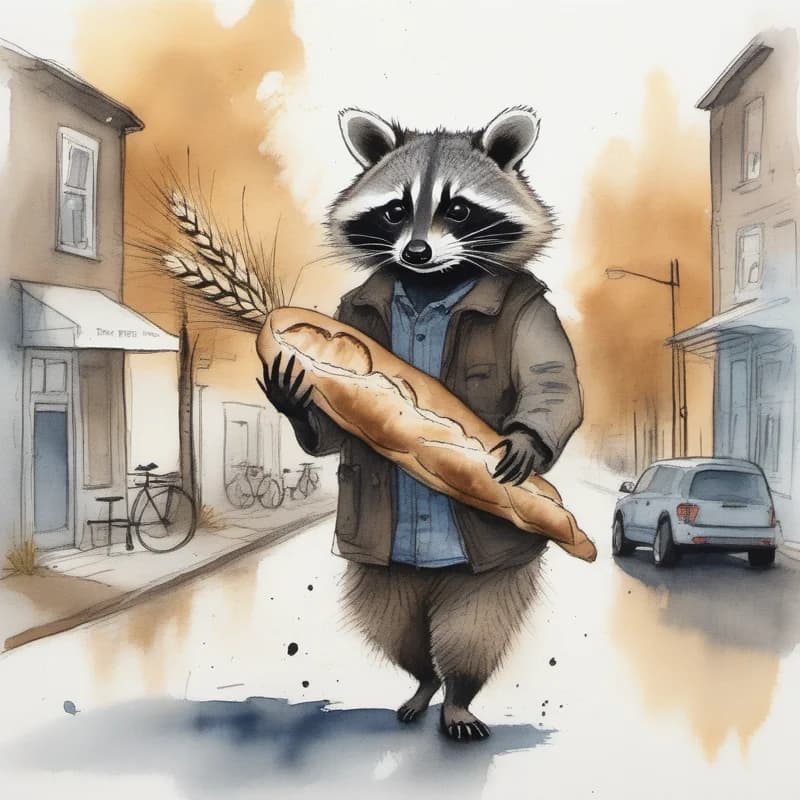
Money leaving town
Every dollar spent at a chain grocery store leaves the community. Every dollar spent on a neighbour's eggs stays.

Open source forever
Community food infrastructure shouldn't be locked down. The code is MIT-licensed on GitHub. Fork it, run it for your town, make it yours.
We don't extract from producers. The value is in the network, not the platform. Premium features for commercial producers, hosted infrastructure for other communities, and food resilience grants — that's the model.
Built in Powell River, BC
Population ~13,000. Accessible by ferry. Home to more backyard gardens per capita than anyone's bothered to count. If decentralised food infrastructure works here, it works anywhere.
Start local. Stay local. Know your food. Know your neighbour.